It was months ago when I agreed to preach on the second Sunday in May. I said yes ever so willingly. I was just so thrilled to be preaching again after this new reality seeking (im)possible things.
I didn’t realize then what is all too real now.
The second Sunday in May is Mother’s Day. It is the Sunday where churches offer corsages and carnations to mothers. It is this Sunday where prayers to “Mother God” are lifted in congregations that would otherwise struggle with inclusive language. It is the Sunday where the grieving and the childless stay home along with those that struggle with infertility and those that don’t ever want anyone to know that she had an abortion. There are those that we abandoned by their mothers and those that never knew gentle touch of their mother. They don’t come to church because they know that they will not be celebrated. They will not be honored.
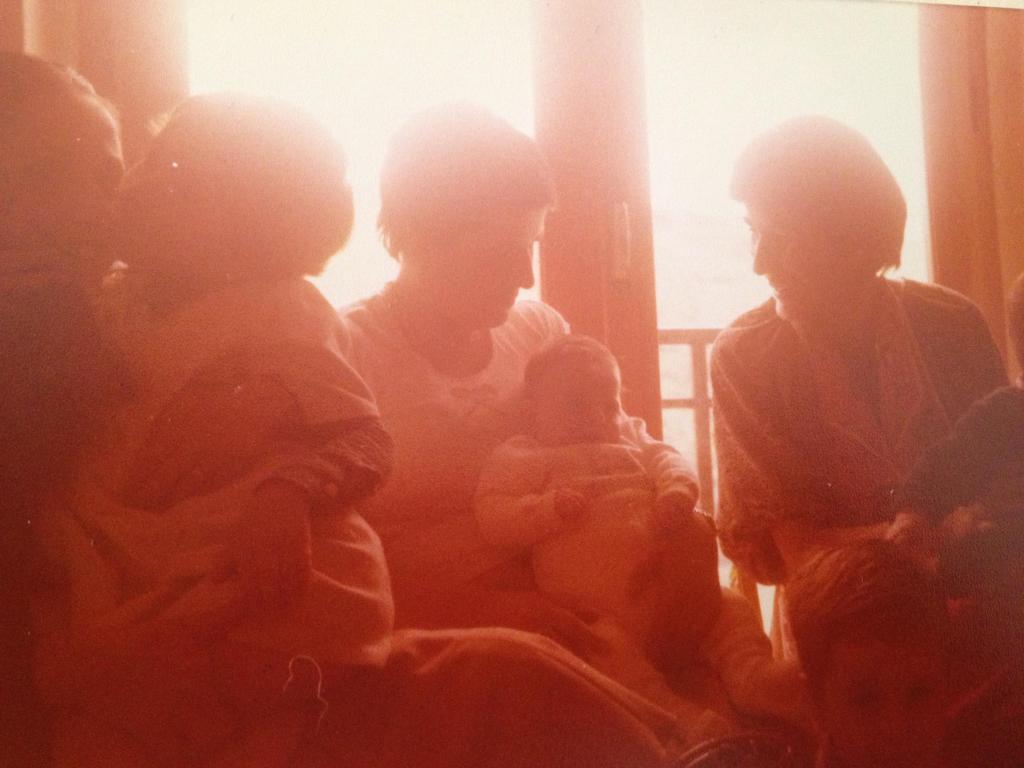 They will not hear so much about the resurrection as they will about mothers. And they know this, so they stay home. Each congregation has their own traditions and there isn’t one of these bodies of Christ that seems to realize that Mother’s Day is NOT a liturgical holiday.
The liturgical year moves from Advent to Easter. From birth to death, we are led into the Season of Easter which continues for much more than one day. Because we are still in it. It is the season that we find ourselves us in now. This second Sunday of May is the Sixth Sunday of Easter. It’s nothing flashy really. Just another chance to talk about this amazing thing that happened. It’s a chance to talk about the awesome possibility of resurrection and what it means right now. You know, no big deal. Or perhaps it really is no big deal because it seems that most congregations replace this talk of resurrection with something called the Festival of the Christian Home. (This is also what it is called in my denomination but I can find nothing on the United Church of Christ website about it.) And it seems that churches expect it. Something must happen on Mother’s Day in our worship. Something must be said. Something must be done because that’s what we always do. But, I’ve said it before and I’ll say it again: Mother’s Day is NOT a liturgical holiday.
Christmas is a liturgical holiday. Easter is a liturgical holiday. Even St. Patrick and St. Valentine have feast days. But, this isn’t one of them. There is no feast day for mothers. It’s simply not part of the liturgical calendar. You’ll find it on other calendars — those printed for dry cleaners and banks. On the second Sunday of May, it is Mother’s Day. So let there be brunch and flowers and perhaps even some chocolates. Make mom breakfast in bed. Or, at least, give her to break. But, when it’s time to live into the resurrection in the pulpit or pews, let’s remember that that’s not everyone’s story. Not everyone has a mother who was as kind and gentle. Handing every woman a carnation will only remind some of those women how they don’t fit in. Because those women came to church this morning needing to hear some good news. She needs what we all need: to hear the good news of resurrection.
Preach that good news.
Because every man, woman and child needs to hear that good news.
Make that good news the focus of your celebration on this second Sunday of May. Make it known in stories that reveal that what Jesus commands is that we love one another. Make that love known in the caring ministries you offer each other. Make it known in the works of justice and peace. Try not to make every single story about mothers. Please.
And if you need a call to action, read the Mother’s Day Proclamation. Because this is how it really began. There were brokenhearted women who saw a hurting world ripped apart by war. They would not allow one more child to lay down their life. Arise, all women who have hearts, they called out. They called out for new life from death. They called for new stories and new words. They called for hope where it couldn’t be found. Do we have that same heart? Might we rise with those women?
Mother’s Day is NOT a liturgical holiday but it is a good time to ask who we are as people of the resurrection.


 Cooking with Elsa
Leave a reply to Amanda Cancel reply